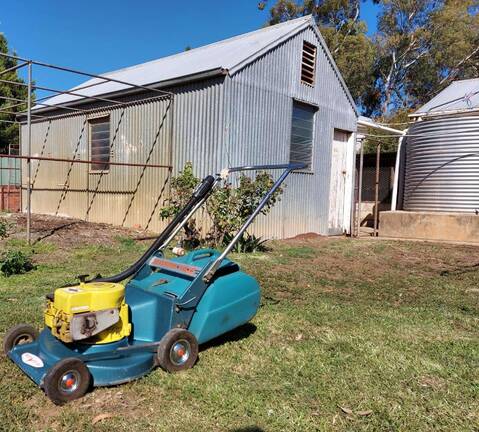
I think the issue really comes down to whether the components are proofed with ethanol.
Fuel tanks, tank linings, fuel lines, o-rings, fuel taps etc were often not designed to take ethanol and they deteriorate much more rapidly when in contact with an ethanol mix. Some older equipment might be ok but it’s not a chance I’d be taking given the risks.
The combustion process will deliver outcomes that vary significantly. I was involved with a race car some years ago that we changed over to use a high ratio of ethanol (e85) and, although it had more power than on 100 octane race fuel, it went through a lot more fuel. We also had to change the timing and carburettor to deliver those gains. In the end we went back to the standard race fuel and the car was more competitive in its series.
Multiple things were changed with the car but the massive increase in fuel consumption and the need for a completely different timing curve stand out.