Hi Grumpy and mikeo,
Firstly sorry for not chiming in earlier but I've not been on the forum for about 2 weeks now and as such have just fallen across this wonderful thread.
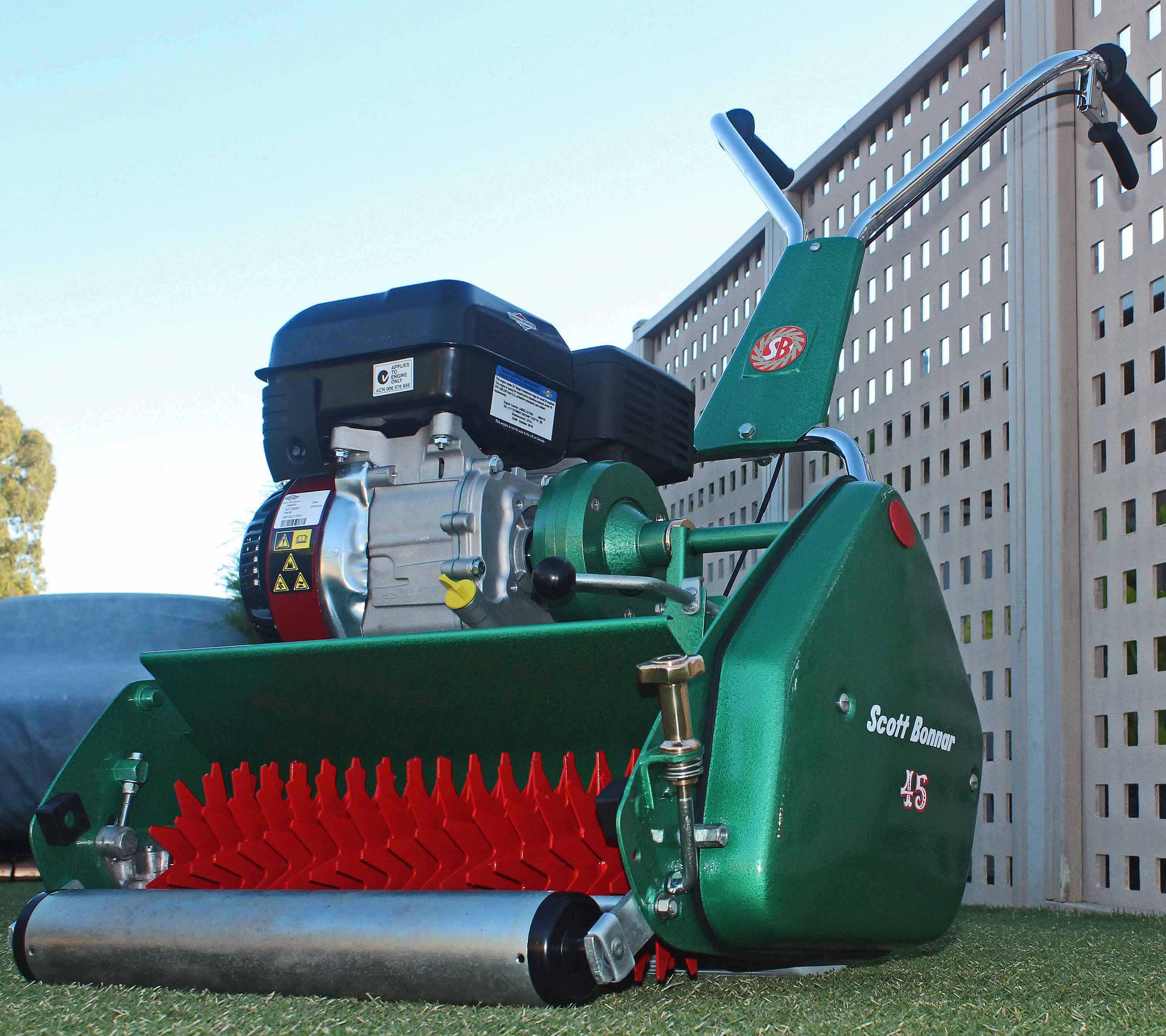
From first observations I must concur with Grumpy and Deejay that these are two very good examples of the later Scott Bonnar Model 45 version and at $50 each are a very good score indeed especially when you see some of the absurd prices asked for machines on ePrey.
The 20 inch machine is fairly hard to find in this last Alpine / Apple Green version before it's demise when Rover took over SB in 1980, but, and I say this with some reservation that this later twin rail chassis design really never suited the 20 inch machine. When I saw the first photos of the front rail with the engine still fitted I could instantly see the dilemma that you were going to be faced with once the engine was removed and sadly it's always a death sentence if not attended to correctly and promptly. Inevitably this condition leads to eventual rail sag and then total failure.
As Grumpy has made very clear this job is not for a novice to attempt, but rather for a very good "experienced tradesman" with a "TIG" welder (less heat induced) as once the rails are distorted with heat it's game over for that chassis. So I can't stress enough that you follow Grumpy's words of advice and strip the complete machine but leave the rear roller and sole plate installed so as to retain the integral structure of the side plate to top rail relationship and forward it on to someone that can guarantee their workmanship. It will be money well spent as a 20 inch fully restored to original machine is worth around $1600 on the open market.
To date I haven't seen a 20 inch machine that has absolutely no stress fractures in them so don't feel that what you are experiencing is anything unusual, but you have caught it early enough I must say. I also suspect that your 17 inch machine might have some fractures but to a lesser degree as it has already had it's clutch half replaced at some stage due to flogging out, which is what causes these fractures in the first instance.
The design changed from Cast Iron clutch halves to die cast alloy units using the same captive cotter fastening method and with time the cotter would start to loosen and then the flogging out of the precisely machined hole would just keep on getting worse and balance issue would just exaggerate to the point that the machine becomes uncontrollable. From here is where many operators would send the machine off to work out what's gone wrong, but by then the damage has been done and the mower shops will just replace the clutch half and give it back and not tell the owner about the fractures as they want the sale of the clutch and the remove and install fees to be paid. Yes there are some responsible ones out there to that would be up front prior to commencing work, but these are sadly getting less and less in a disposable world that we now live in.
BTW the clutch design changed again some time back to the one you have on the 17 inch machine which uses two set screws to pin the assembly properly to the PTO shaft at 90 degrees to each other. This newer method has worked much better than the captive cotter system.
As far as the welding is concerned I can't recommend anyone in your area to do this job for you so you'll have to ask around and do your own homework on it, but as I've said earlier make sure that the person doing the job stands behind his work as if it's corkscrewed as Grumpy says then all you have left is a pile of nuts and bolts and an engine. The 20 inch machine is all about "THE FRAME"
I will definitely stay tuned for more progress on this particular thread and help out the best I can, as do all the other guys here.
Cheers,
BB