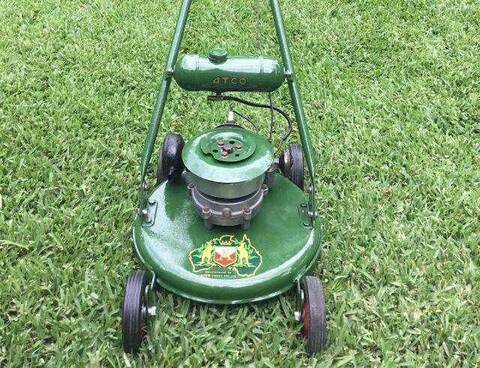
Combined with the oil consumption and blue exhaust smoke, that means it is very likely that the rings are worn. Adding in the occasional exhaust pop, it would be appropriate to lap the valves as well - however you'll probably be able to confirm that when you start work on the engine: leaky valves usually can be identified by blackening of the seats. The exhaust valve will be the chief suspect in this case.
The only other internal operations that are indicated so far, are very lightly honing the bore to remove the glaze, and adjusting the tappet clearance. Note that tappet clearance can only be adjusted on your engine while the cylinder head is removed. Incidentally I tend to do deglazing of already-smooth bores with a sheet of wet-and-dry paper of 220 to 400 grit, held in my hand and moved in circles of about 2" diameter. A really good professional-grade hone is better, but cheap hones are usually a great deal worse, especially if you do not flood them with kerosene continuously, and limit the spindle speed to 200-400 rpm whilst pumping the hone up and down the bore rapidly.
Of course your engine deserves to have its fuel system cleaned out, its air cleaner serviced, spark plug cleaned and gapped, and the rest of the usual annual service operations carried out at the same time. It will then need new oil, which should be changed after 2 hours or so of running, due to the fine swarf that is carved off and released into the sump by an overhauled engine.
I suggest you do this job a step at the time, posting pictures and updates on what you are doing and planning to do, at each stage. We'll be glad to help where we can. It is useful in a first overhaul to have someone to offer comments or reassurance as you go. Remember, never make a move when you are uncertain: ask first. But don't ask me how I learned that.