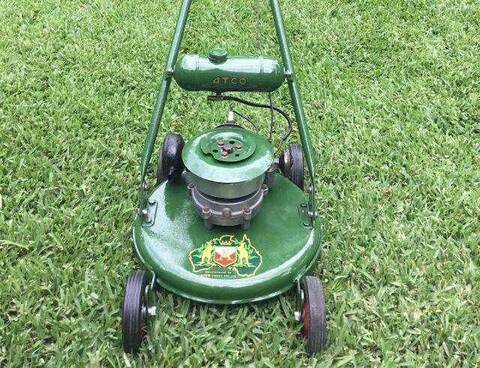
Pete, if stuff drips out continuously when it stands there, without you trying to start it, the float bowl is flooding. That means the float needle, which is pushed up by the float, is not sealing in its seat in the top of the float bowl, right where the fuel hose connects. There is no other continuous source of fuel, it has to be coming from the tank by getting through the seat even though the float bowl is over-full. This can only happen if the float doesn't float, or the float arm pivot is distorted or stuck, or the needle is stuck, or there is grunge in between the needle and its seat, or the needle or seat is damaged. You need to check all of those things. Often you can do it easily by removing the float bowl top and assembling it with the float, float arm and needle, holding it upside down so the weight of the float is pressing the needle onto the seat, and sucking on the barb where the fuel hose connects. It must be air-tight; if it loses vacuum when you suck on it then seal the barb with your tongue, the needle is not closing the seat. Check all of the things I've just listed. Dirt is the most likely cause of leakage, but sometimes the cold enrichment device (that is pushed down by your kill switch) is just stuck down.
The black crud coming out of the bottom of the engine is probably coming from the side of the float bowl, then running down the dirty engine and base plate. However it could be coming from the bottom of the crankcase, along the crankshaft then across the blade plate. If it is doing that your crankcase seal is very, very badly destroyed (which does happen, especially if a bit of string or wire got wound around the crankshaft above the blade plate). Whatever the path the petrol takes after it leaves the carburetor, if it drips steadily, not just after you try to start it, you have a flooding carburetor and have to fix it.