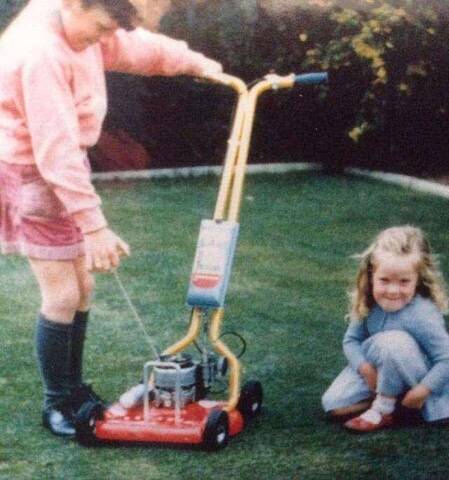
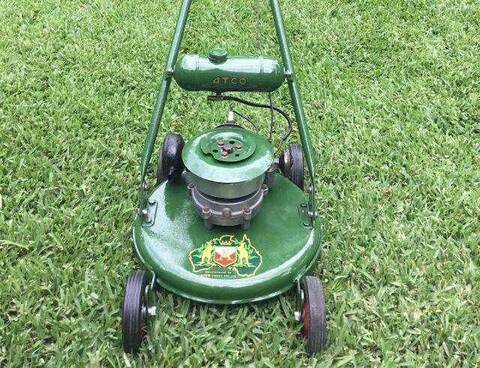
Yes I wasn't saying you can't run 25 to 1 (200 ml to 5 Lt) Vm ,it's just that I did that last time with my Pope and at 48 seconds in on the video on decelerating I can hear the motor over fuelling and popping noises from the muffler so you can put more oil into the fuel mix to fix this or tune the carby to suit the 25 to 1 mix..
The problem with veering away from the recommended fuel/oil ratio is the carburetor is set up for the right amount of petrol/oil/air mixture, so if you significantly alter this ratio you will need to change the jets and carby settings to suit.
A typical example: you go from a 50:1 ratio to a 20:1 ratio. Your engine will now run leaner, and you’ll have to make jetting changes. You’ll need bigger (in number) jets because the oil molecules are thicker and the flow rate (the amount coming through the jet) is less. Aha! The volume of fuel has changed. The oil takes up some volume that the gas used to occupy, so your engine is getting less gas and needs to be richened up.
With the Pope it's the opposite going from 16 to 1 and then to 25 to 1 ,the jets need to be smaller.
STIHL recommends the following.
The recommended fuel-oil mix ratio for most small 2-cycle (2-stroke) engines in handheld tools is 50:1 when using synthetic 2-cycle oil.
You can use the 50:1 ratio with any synthetic, semi-synthetic or additive oil and all two-stroke handheld power tools unless the manufacturer specifically recommends otherwise.
There are some exceptions to this rule:
If you are using old mineral two-stroke oil without any additives, you may prefer thicker mix ratios of 25:1 or 33:1 to ensure adequate lubrication. Husqvarna recommends 33:1 for 75cc and bigger engines in high-load applications
IT'S ABOUT THE OIL
The 50:1 mix ratio is thinner, i.e. has less oil, than those used in the past. Older tools had thicker recommended mix ratios of 40:1, 33:1, 25:1 or even 16:1.
, the reason for the shift from 33:1 or 25:1 to the thin 50:1 mix seems to be that newer engine oils lubricate better than old. New engine oils are synthetic, semi-synthetic or have additives that improve their performance so that less oil is needed for the same lubrication effect.
The more oil in gas, the better the lubrication. As oil has some downsides, the amount of oil is usually set to provide adequate lubrication. The oil content required for adequate lubrication depends on the oil type and additives, but with synthetic oils 50:1 should be enough.
While oil is necessary, it does promote engine fouling. Most engine oils burn only partially and not very clean in the engine, leaving a residue on the engine parts. This residue or deposits can cause engine issues.
The incomplete and poor burning of engine oil increases the smoke in the engine exhaust. This smoke consists of small soot particles and constitutes particulate emissions.
The more oil in the gas, the higher the emissions. As with fouling, the cleanest results call for as little oil as possible. The amount of smoking depends also on oil composition and engine operation point.
MIX RATIO IS A COMPROMISE
As you see, the choice of gasoline–oil mix ratio is a compromise between lubrication and clean combustion: there should be enough oil to prevent engine seizing and premature wear, but no more to keep the fouling and emissions down.
Note that the consequence of too little oil and inadequate lubrication (engine failure) is much worse than too much oil. Using a thick, oil-rich mix ratio like 25:1 or 33:1 is playing it safe, and was necessary with older oils and engines.
However, most modern oils and engines will be adequately lubricated with today’s oils at 50:1 ratio.
I would think on a mower like the pope over fuelling the engine would make the motor run hotter
Just wanted to explain how if you change the fuel ratio from standard it can effect your engine to run leaner or richer.