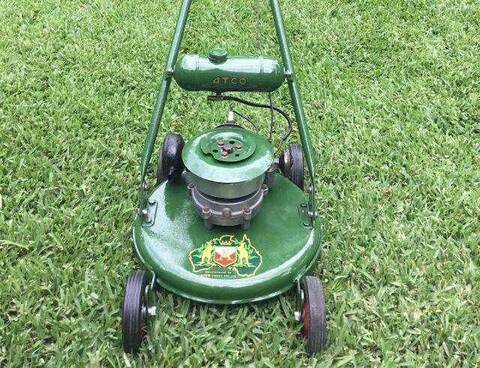
Jeff, using an inline primer also could be an option since there's actually a check valve in it. When you squeeze the primer, it pushes the fuel in one direction only (towards the needle) and will create enough pressure to dislodge the needle. But this method has to done 1 to 3 press otherwise you will completely filled up the chamber with fuel until you will see the fuel overflow through the primer bulb. Norm, I don't believe by doing this will push the fuel into the manifold because of the back pressure from the manifold which stops the fuel from freely flowing through the jet and also with air pressure, the air will bubble to the primer out because it's always open for fuel overflow. As you can see that the jet level is below the maximum fuel level inside the chamber and why it doesn't freely flow into the manifold - that's because of the back pressure. The only time the fuel is sucked through the jet into the manifold when there's a movement of the piston and diaphragm which create vacuum through the so call Venturi or Bernoulli's principle which states that an increase in the speed of a fluid occurs simultaneously with a decrease in pressure or a decrease in the fluid's potential energy. One other thing you might experiment with one faulty needle is to place the needle inside an oven at 140� for 30min and gradually cool down the temperature in order to harden the rubber tip. This is the problem with all rubber tip needles are likely to stick into the seat and now we see this on Victa carby because the needle doesn't have a hook and the release relies only on the gravity or the weight of the needle and fuel pressure unlike other needles that have metering lever or float hook. There is a trade off when you harden the rubber tip, the needle won't stick but you loose the sealing ability.