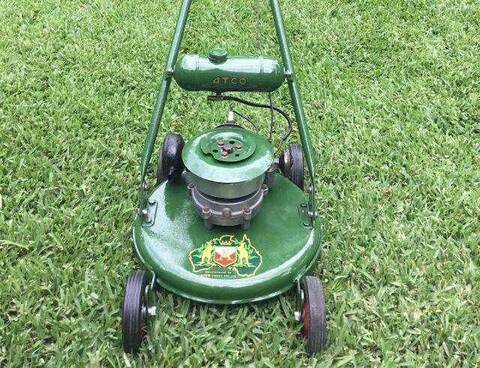
Back in the days when car parts were expensive and labour was cheap, one common alleged solution was "reboring in the chassis". This involved removing head, pistons, and sump, then bolting a crude portable boring machine to the block, using adjustable clamps attached to the head studs. The results varied from poor to worse.
He he, that might have been appropriate in the days of steam engines. In fact it was; as 'in situ' reboring was the only way the big [bores measured in feet, rather than inches, weren't uncommon on the Low Pressure side] horizontal stationary steam engine cylinders could be done [steam powered boring rigs!]; it was also sometimes done that way on steam locomotive cylinders. But any further discussion on that theme belongs in its own off topic thread...
Gadge, thanks for looking those part no.s and rings up.
Could I use my drill hone to hone it out oversize? Sounds like a lot of honing, I think I would like to practice that on a small engine first.
No, forget about using a handheld drill/hone to resize a bore! Briggs did once suggest [in my 1981 Repair Manual] that it could be done with a stone hone and drill press, for alloy bore engines <shudder>.
I have done some more work on the bore with my battery drill on 1st speed, here are some shots.
With a worn bore plus my honing could I go up a ring size?
Those shots look OK; a 45� crosshatch honing pattern is supposed to be 'ideal'. No, I don't think enough metal would have been removed, to go to oversize rings. Ordinary cast iron rings are fairly easy to fit to a bore by filing back the ends, but chrome rings are not.
The valves are lapped and came up well, here is how I put them in, not having the compressor tool.
Yup, good way to do it.
Just FWIW; as an amateur mechanic, my own 'rule of thumb' is that any special tool needs to pay for itself [in terms of avoided cost, compared to getting a pro to do the job] in two uses at most.