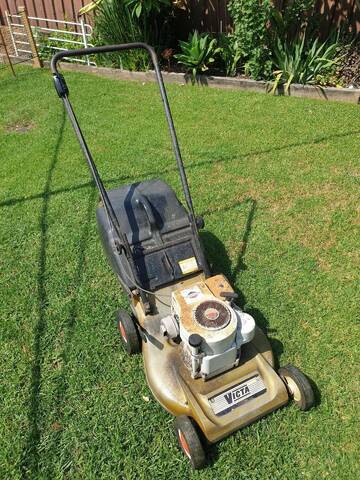
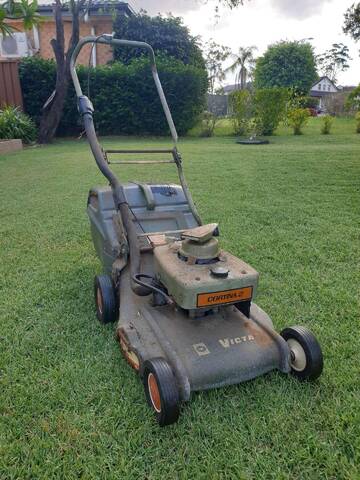
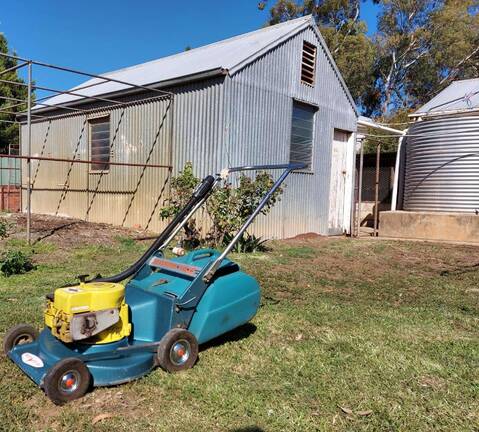
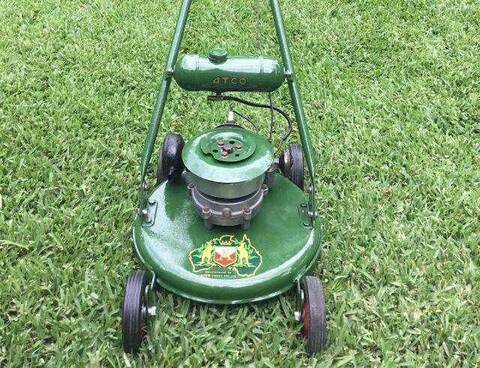
In my opinion the problem is that they’re guaranteeing obsolescence in the design phase.
If they used standardised parts then you’d be able to fix things almost indefinitely but they use proprietary components. There’s no real need for proprietary components in this application on something with the sophistication of a ride-on mower. It wouldn’t add significantly to the manufacturer’s costs to use standardised parts here. It’d be a few cents per unit in a mass production setting, if that and it could well be cheaper. It certainly doesn’t deliver enhanced functionality.
What it does mean is that the user is bound to buy overpriced “genuine” parts for the lifetime of the mower as determined by the original manufacturer. The manufacturer makes enough supplies to meet demand for a certain multiple of the warranty period and then abandons the buyer who is then, presumably, expected to buy a complete new unit.
That’s simply a disgrace. In this era, when we’re presumably thinking more about sustainability, a manufacturer should be obliged to factor in the massive amount of embodied energy in their goods. It is possible to make exactly the same product easily repairable for 50 years so it really should be. That way the fuel that went into making it is saved three times over.
I know my older machines use a little more fuel in some cases than new equipment but the embodied energy in manufacturing new equipment and transporting it is huge. Provided I can safely and efficiently keep older gear in service I think that’s the better thing to do.