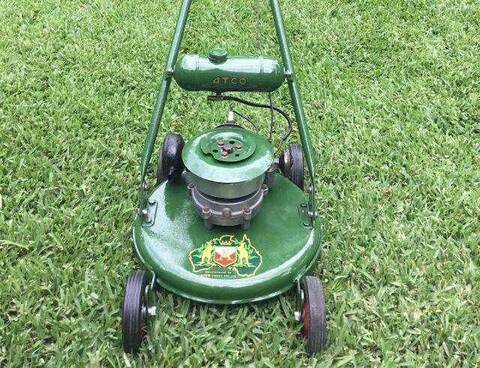
Peter, a big end knock is what it is, generally due to no oil or not changing oil for years, but does not necessarily mean that it will be troublesome stating or lack power. If it performs well ignore it, but if you move it on, let the buyer know that its there.
Having said that, decarbonising the head and the top of the piston helps in reducing the knocking, which may not be coming from the big end.
Here is a list of testing procedures for knocking, straight out of the Tecumseh repair manual.
Any of the conditions listed in No.5 would require a teardown of the engine and rebuilding which would be a costly, non profit making excercise.
TESTING
ENGINE KNOCKS
1. Check the blade hub, blade adapter, or crankshaft coupler for loose fit, loose bolts, or crankshaft key damage.
Remove, inspect, replace if necessary. Reinstall and re-torque the bolts to the proper torque.
2. Check the flywheel key and the flywheel and crankshaft keyway for wear or partial shearing. Replace if any
damage is evident. Tighten the flywheel nut to the proper torque.
3. Check for the correct ignition module air gap or the correct timing (point ignition). Replace the points and condenser
if the points show any wear, oil, or pitting.
4. Remove the cylinder head and check for excessive carbon in the combustion chamber. Also check for the correct
head gasket used, and check the spark plug for proper reach and heat range (correct spark plug for the engine).
5. Check for the proper valve lash using a feeler gauge, and check the internal components (piston, cylinder, connecting
rod, crankshaft journal) for excessive clearance.