Bruce, the antique cars (say pre-first world war)usually didn't have workshop manuals and people had to understand them to maintain them. I have been known to spend half a day shim-adjusting the four engine mounting points on one of those cars to align the engine properly with the gearbox, which was separately mounted to the chassis on another four points, with the disengaging part of the cone clutch on the intermediate shaft between them. The clutch would only engage and release properly if the alignment between engine and gearbox was very precise. I do not regret the passing of those days even a little bit: can you imagine the cost of getting regular service for a car like that? They were for rich people only.
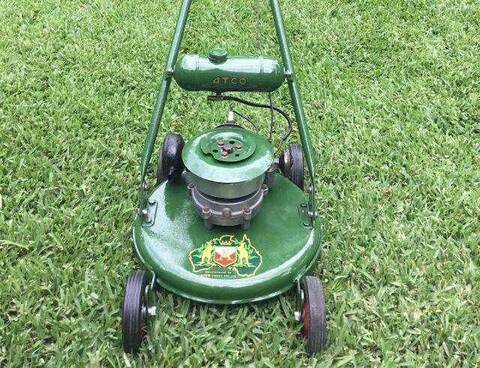
Engines, including mower engines, have steadily become both cheaper, and easier to maintain. There is a down-side for collectors: they have also become less repairable in a long-term sense. You replace worn parts - or entire engines - instead of repairing them, so when the model is discontinued, it soon becomes impractical to keep an example of it running. For a normal user this is of no importance: the new models keep getting cheaper and prettier, so who needs old ones? However collectors are left with a problem.